Key takeaways
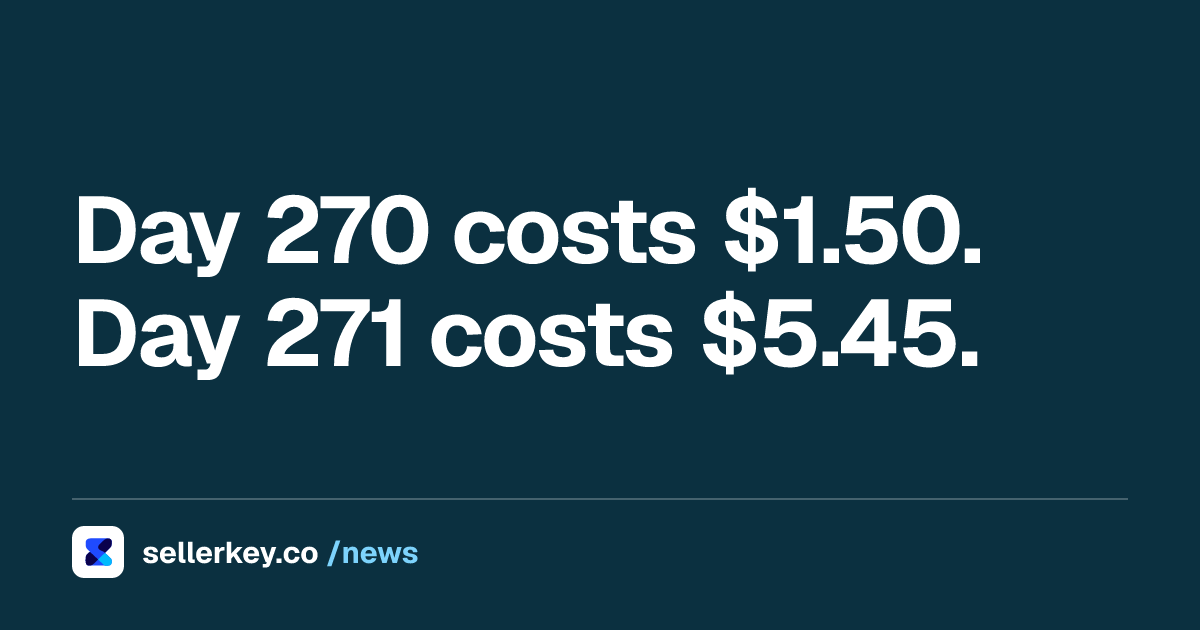
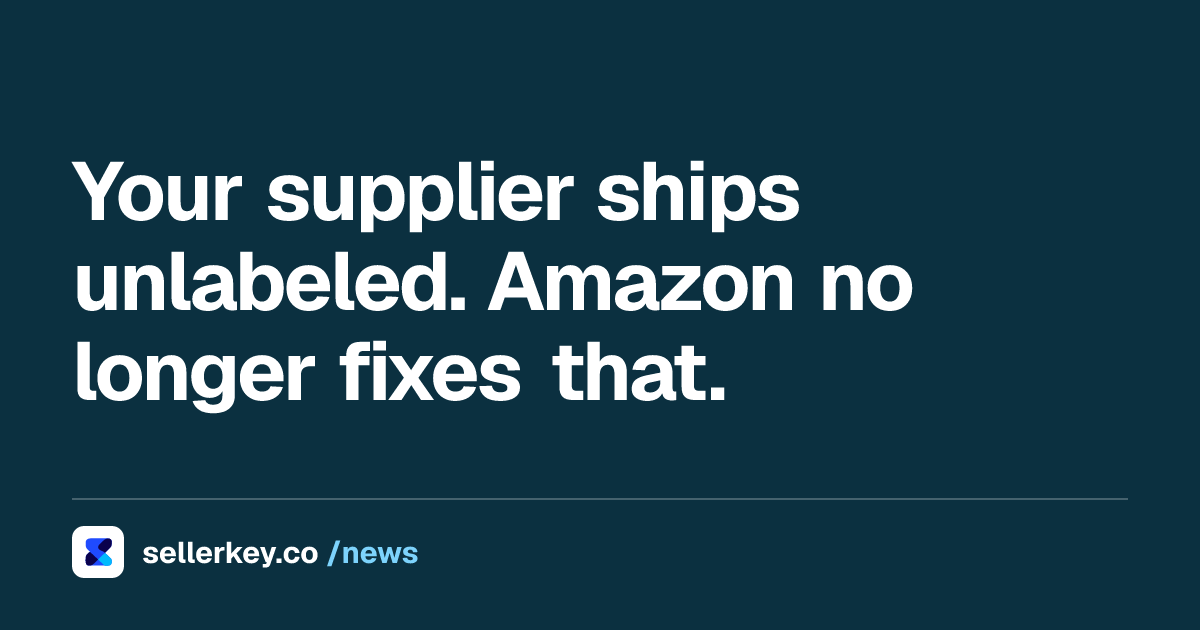
- Since January 1, 2026, Amazon no longer preps or labels FBA items in the US store.
- Units that arrive without the required prep or label get flagged as a defect, and Amazon applies the prep or label itself.
- That triggers an unplanned service fee, charged per unit, with the rates and the dispute route on the Unplanned Services page.
- Shipments created after January 1 that arrive unprepped are not eligible for reimbursement if the units are damaged.
- A missing or defective FNSKU can make a unit untraceable, which also leaves it outside reimbursement.
Before you start
- A Professional selling account with inventory permissions in Seller Central.
- The shipment ID of an FBA shipment received after January 1, 2026.
- The fee detail or fee report for that shipment.
Step by step
- Open the Inbound Performance DashboardLook for prep and labeling defects on shipments received after January 1, 2026. This is where Amazon records the prep or label work it had to do for you, so it is the evidence, not the complaint.
- Open the fee detail of the affected shipmentFind the unplanned service charges. They are charged per unit, so read the unit count and not only the total.
- Compare the charged units against what you shippedCount how many units actually went out without prep or without an FNSKU. If the charged count is higher, that gap is what you dispute.
- Dispute through the Unplanned Services help pageThat page in your own account carries both the current rates and the dispute route. Dispute the unit count, not the policy: the service ended and that part is not reversible.
- Decide who preps before the next purchase orderYour supplier to Amazon's requirements, a third party prep center, or in house. Put the FNSKU on the unit and not only on the carton, since the label is what makes a unit traceable.
Amazon ended FBA prep and labeling, and whatever arrives unprepped is now your problem. Since January 1, 2026, Amazon no longer preps or labels FBA items in the US store. If your supplier ships cases of bare units straight into a fulfillment center, nobody at the other end bags them, bundles them or puts an FNSKU on them for you.
Why the charge shows up weeks after the shipment
Nothing happens at receiving that you can see. The shipment gets received and the units go live. What changes is what Amazon did on the way in.
Amazon moderators describe it plainly in the forum thread on Amazon prep service discontinuing: when prep or labels are missing or improper, Amazon flags it as a defect and applies the prep or the label itself. Work it did for you gets billed to you, and Amazon's own post on FBA inbound convenience fees says an unplanned service fee can apply when a shipment lacks the required label or prep, charged per unit. The rate depends on what Amazon had to do, and the Unplanned Services help page inside your account carries both the rates and the dispute route.
That is why the cost feels disconnected from the shipment. The units sold fine. The fee arrives on a fee report you read later.
The part that costs more than the fee
Reimbursement eligibility. Two Amazon moderators say the same thing in that thread: shipments created after January 1 that arrive without proper prep and item labeling are not eligible for reimbursement if the units are damaged, and products with missing or defective labels can be untraceable in the network, which also leaves them outside reimbursement.
Read that twice if you send liquids, glass or anything that leaks. The per unit fee is visible. A denied claim on a damaged pallet is not, and it is usually the bigger number. What is and is not claimable on prep work is narrow, and we mapped it in FBA prep and labeling reimbursement eligibility.
The mistakes that make this expensive
Labeling the carton instead of the unit. The FNSKU is what makes a single unit traceable inside a fulfillment center, so a perfect carton label does nothing for a unit that gets separated from its box.
Assuming a supplier who says yes has understood the requirement. Ask for photos of the first prepped carton before the rest ships, because a bad bundle multiplied by a container is expensive.
Confusing two charges that land on the same shipment. An unplanned service fee is not an inbound placement fee, and they are calculated differently, as we explain in why an FBA inbound placement fee comes out higher than the estimate.
If the defect does not appear but the charge does
It happens the other way round too: a per unit charge with no obvious defect behind it. Compare the charged unit count against the units you know went out unprepped before you dispute anything, because disputing the policy goes nowhere and disputing a unit count sometimes works.
If the units came back marked as untraceable rather than unprepped, you are in a different conversation, and our guide to an FBA shipment sent without FNSKU labels covers what can still be recovered.
How to know it is really fixed
One clean shipment is not proof. Watch two consecutive shipments from the same supplier with no prep or labeling defect recorded and no unplanned service charges on the fee detail. Until you see that twice, assume the prep instruction did not travel down the chain.
What other sellers did about it
Sellers in the forum thread on Amazon ending prep and labelling services report going to third party prep centers or bringing the work in house, and several say in house turned out cheaper and more accurate than the service they had been paying for. That is what other sellers report, not an Amazon procedure, and the cost of it depends entirely on your category and your volume.
“products with missing or defective labels could be untraceable in our facilities. These products aren't eligible for reimbursements.”
Amazon Seller Central
Sources
- Amazon Seller Central: Amazon Prep Service discontinuing (respuestas de Sunnie_Amazon y Bryce_Amazon) sellercentral.amazon.com
- Amazon Seller Central: FBA Inbound Convenience Fees (KJ_Amazon) sellercentral.amazon.com
- Amazon Seller Central: Amazon ending prep and labelling services?? (hilo de vendedores) sellercentral.amazon.com
- Corey Ganim en X: Amazon will no longer offer FBA prep/labeling services starting January 1, 2026 x.com

Hey! I'm Amara
Press at SellerKey.co
☕ Espresso. Never a latte macchiato.
I cover Amazon fee and policy changes: what changed, when it applies and where Amazon published it.