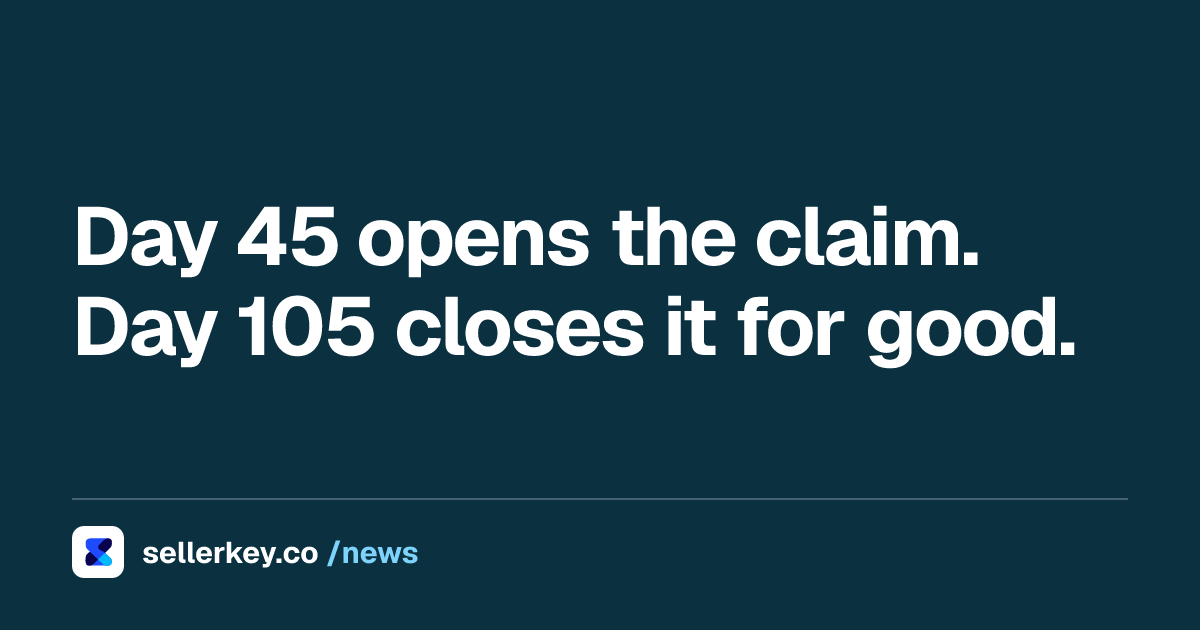
3 months
the window Amazon counts before the fee is charged
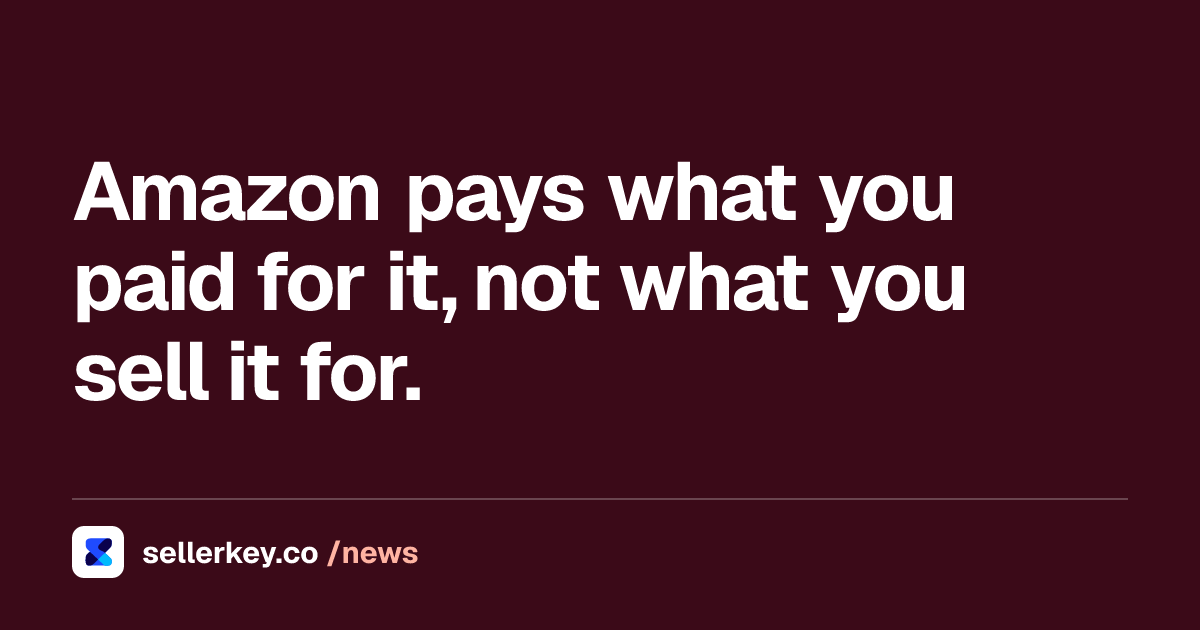
25 units
monthly shipped volume below which the fee does not apply
20 units
returned units waived above threshold in the New Selection Program
Key takeaways
- The fee has applied since 1 June 2024 to high return rate products in every category except apparel and shoes.
- Returns are tracked across the shipping month plus the two after it, so June shipments are charged in September.
- Only the returned units above your fee category's threshold are charged, not every return in the period.
- Products shipping fewer than 25 units in a month are exempt for that month.
- New Selection Program products get the first 20 returned units above the threshold waived.
Before you start
- A seller account with access to the FBA Returns page in Seller Central.
- The month you shipped the units, which is the month the fee is calculated on.
- Your product's fee category, because the return rate threshold is set per category.
Step by step
- Open the Return Insights dashboardIt sits on the FBA Returns page. Amazon's announcement says it shows the returned units and return rate used for the fee, the minimum return rate threshold, and the number of returned units above that threshold.
- Line the charge up with the shipping month, not the billing monthReturns are tracked from the shipping month through the two calendar months after it, and the fee posts once that window closes. A charge you read in September belongs to units shipped in June.
- Check whether the product was exempt that monthIf the product shipped fewer than 25 units in the month being measured, the fee does not apply for that month. Check the shipped quantity for that month, not the trailing average.
- Check the New Selection Program waiverFor enrolled products, the first 20 returned units above the threshold are waived. If the charge covers fewer than 20 units above the line, confirm the ASIN's enrolment status first.
- Compare the return rate against your category thresholdThresholds are set per fee category and published by Amazon on its returns processing fee page. Read the threshold Return Insights shows for that product rather than comparing against your account average.
- Decide before the window closes, not after the chargeUnits shipped in October are tracked through December and billed in January. If the units above threshold figure is not zero in October, treat it as a forecast of that January charge.
The returns processing fee almost never arrives when you expect it. The unit sold in June, the customer returned it in July, and the charge posts in September against a month you already closed. That gap is the whole reason this fee feels like it came out of nowhere.
Amazon announced it on 5 December 2023 and it has applied since 1 June 2024 to high return rate products in all categories, excluding apparel and shoes. It is not a penalty on every return. It is a charge on the returned units above a threshold that Amazon sets per fee category.
Why am I being charged a returns processing fee when my return rate looks normal
Three things decide it, and only one of them is your return rate.
The month that counts is the month you shipped. Amazon's own reminder on the Return Insights dashboard says returns are tracked from the shipping month through the two calendar months after it. Returns of June shipments are charged in September. So the fee you are reading today belongs to units that left the fulfilment centre a quarter ago.
The threshold is per category, not per account. Your product is measured against other products in its fee category. A 9 percent return rate can be clean in one category and above the line in another. The thresholds live on Amazon's returns processing fee page, and the Return Insights dashboard shows the one that applies to you.
Only the units above the line are charged. Once the threshold is passed, the fee applies to each returned unit above it, not to every return in the period.
The two exemptions that are written down
- Products that ship fewer than 25 units in a month are not charged the fee for that month.
- Products enrolled in the New Selection Program get the first 20 returned units above the threshold waived.
Both come from Amazon's own announcement. Neither is automatic in the sense of needing no attention: if your low volume SKU crosses 25 units in a single month, that month is in scope.
How to trace the charge, step by step
The steps are in the recipe above. The point of order is simple: read the fee against the shipping month, not the billing month. If you line the charge up with the month it posted, nothing will ever reconcile, and sellers in the forum thread that followed the launch spent weeks on exactly that mistake.
What other sellers report, and what Amazon has not published, is how a dispute goes. Several report that claims on the fee are denied when the product's fee category looks wrong to them. Treat that as reported experience, not as procedure: Amazon documents the thresholds and the exemptions, not an appeal path for the categorisation.
Why this matters right now
Q4 is the worst quarter for this fee and the easiest one to miss. Units shipped in October are being tracked across October, November and December. The charge posts after that window closes, which means in January, in the same period you are paying peak storage and reconciling the holiday season. A product that sells well in November and comes back in December is the exact profile the fee was built for.
The decision you can still take this month is not about the fee. It is about which SKUs you keep pushing into Q4 volume. A product whose return rate sits just under its category threshold is one promotion away from crossing it, and you will not see the cost until the quarter is over.
How to stop it from surprising you again
Open Return Insights on the FBA Returns page once a month and read three numbers: the return rate Amazon uses for the fee, the minimum threshold for the category, and the units already above it. That third number is the forecast. If it is not zero in October, you have a January charge coming, and you can still decide whether that SKU is worth it.
If you want the rest of the picture, our breakdown of whether Amazon refunds the referral fee on a return covers the other half of what a returned unit costs you, and Amazon FBA fees explained walks the full fee stack. For the money side of returns that Amazon does owe back, see Amazon FBA reimbursements.
Sources
- Amazon Selling Partners: Update to US referral and Fulfillment by Amazon fees (05-12-2023) sellingpartners.aboutamazon.com
- Amazon Seller Central (News_Amazon): Updates to the Return Insights dashboard and Returns Processing Fee reminder sellercentral.amazon.com
- Amazon Seller Forums: New Return Processing Fees starting June 1st sellercentral.amazon.com
- Amazon Seller Forums: Unreasonable Return Processing Fee sellercentral.amazon.com

Hey! We're the SellerKey Team
Data & product at SellerKey.co
📊 We build SellerKey.
The team behind SellerKey. We write about fees, margin, inventory and ads for Amazon sellers.