181 days
when the surcharge starts, since the April 15, 2023 assessment date
$0.50
per cubic foot in the 181 to 210 day band, per Amazon support
Feb 1, 2027
surcharge merges into monthly storage as one age-based rate
Key takeaways
- The aged inventory surcharge starts at day 181, not day 271: Amazon moved the threshold effective with the April 15, 2023 assessment date.
- It is priced per cubic foot of aged inventory, assessed from a snapshot on the 15th of each month, and it stacks on top of monthly storage.
- Amazon support gave the first band, 181 to 210 days, as $0.50 per cubic foot, with the rate rising at 211, 241, 271, 301, 331 and 365 days.
- On February 1, 2027 it disappears into monthly storage as one age-based rate, and the storage utilization surcharge is eliminated too.
- The FBA Inventory tool flags ASINs crossing the threshold within 60 days, which is the only window where a removal still changes the bill.
The Amazon aged inventory surcharge is a monthly charge on FBA units that have been sitting in Amazon's fulfillment network for 181 days or more. It is not the monthly storage fee and it is not a removal fee. It is a separate line that lands on top of storage, it is priced by the space your old units occupy, and it repeats every month until the units sell or leave the warehouse.
On February 1, 2027 it stops existing as its own charge: Amazon has said it will remove the aged inventory surcharge and fold it into monthly storage fees as one age-based rate. The clock it measures does not go away. Only the name on the invoice does.
How the aged inventory surcharge is calculated
Three things decide the number.
The age of each unit. Amazon counts days since the unit was received at a fulfillment center, per unit, not per ASIN. In a batch of 300 units of the same SKU, some can be at day 90 and some at day 200. Only the ones past the threshold are charged.
The space it takes, not the unit count. The surcharge is priced per cubic foot of aged inventory, which is why two sellers with the same number of stale units can get very different bills. A bulky low-price SKU is the expensive case. In the top age tiers Amazon applies a per-unit floor as well, and charges the greater of the two.
The assessment snapshot. The charge is assessed from an inventory snapshot taken on the 15th of each month and posted to the account in the days that follow, which is why the charge usually appears between the 18th and the 22nd. A unit removed on the 16th was already counted.
Which day the aged inventory surcharge starts
181 days. Not 271, and not the old long-term storage year.
This is the part most sellers still have wrong, because the threshold moved. Amazon announced on January 17, 2023 that it would add aged inventory surcharges to inventory stored 180 to 270 days, effective for the April 15, 2023 assessment date, with Apparel, Shoes, Bags, Jewelry and Watches excluded in the US at the time. Before that announcement, nothing was charged until day 271. Any plan built on "I have until month nine" is three years out of date.
From day 181 the rate steps up at each new age band. Amazon support describes the increments as starting at 181, 211, 241, 271, 301, 331 and 365 days or more, with the per-cubic-foot amount rising at every step. The first band, 181 to 210 days, was given by Amazon support as $0.50 per cubic foot in that thread, and the same reply put the oldest band at $6.90 per cubic foot or $0.15 per unit, whichever is greater. That reply is several years old, so treat the top figure as the shape of the rule rather than today's price, and read your own current per-band amounts off the fee page inside Seller Central, which needs a logged-in session to open.
What it costs: one SKU, start to finish
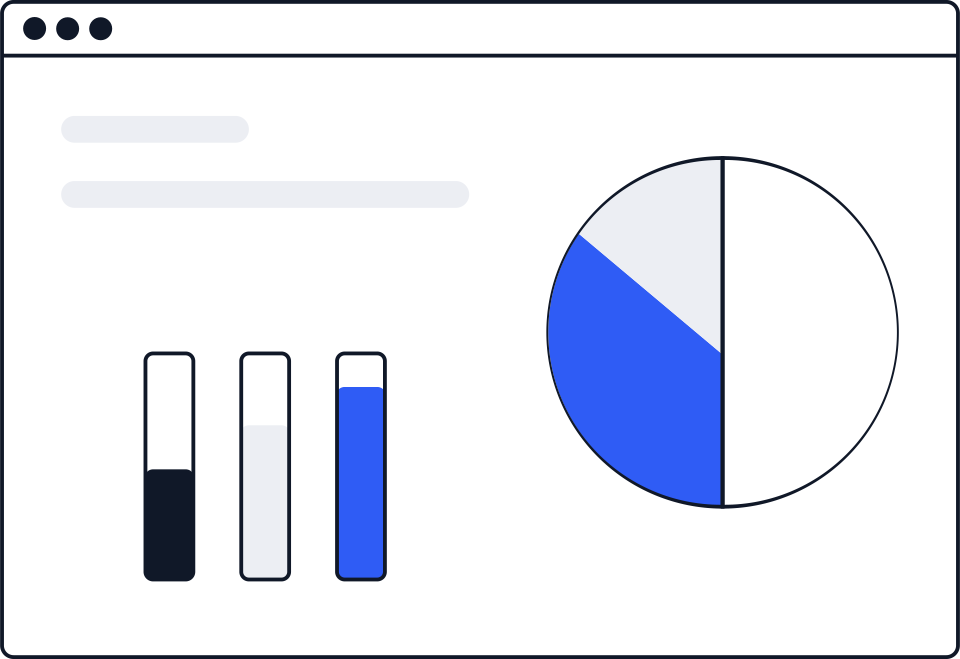
Take 400 units of a SKU at 0.1 cubic feet each. That is 40 cubic feet of aged inventory.
- Day 181 snapshot, first band at $0.50 per cubic foot: 40 times 0.50, so $20.00 that month.
- That $20.00 is on top of the monthly storage fee for the same cubic feet, not instead of it.
- It repeats at the next snapshot, and the rate rises as the units cross into the next band.
- The units have not sold in six months. The surcharge is now betting against them every 30 days.
If the sell-through is not there, the comparison is not surcharge against zero. It is surcharge against the one-time cost of getting the units out, and FBA removal fees are priced per unit on shipping weight, so you can put a real number on both sides before the next snapshot.
Where to see it before it is charged
The FBA Inventory tool in Seller Central flags the ASINs subject to the surcharge, including the ones that will cross the threshold within the next 60 days. That 60-day view is the whole game: after the snapshot there is nothing to decide, and a removal ordered in month six arrives in month seven.
What changes on February 1, 2027
Amazon's 2027 fee update, published November 5, 2026, does three things to this charge:
- The aged inventory surcharge is removed and combined with monthly storage fees into a single, age-based rate.
- The storage utilization surcharge is eliminated on the same date.
- The low-inventory-level fee changes on February 1 as well: it applies only when inventory falls below 28 days of supply, measured on actual shipments in both the four weeks before and the four weeks after the assessment date.
Amazon's own framing is that inventory turning in under six months pays the same or less, and aged inventory pays more. Read together with the shipping changes that start January 15, 2027, the direction is one rate card where age is the main variable. For scale on how these annual updates usually land, the 2026 cycle raised FBA fees by an average of $0.08 per unit sold and gave at least 90 days of notice.
What to do with this
- Sort your FBA inventory by unit age, not by SKU. The charge is per unit.
- Work the 60-day warning list before the 15th, not the current-charge list after it.
- For anything in the 181-day band, price the removal against six more monthly surcharges plus the storage fee for the same cubic feet.
- Keep the February 1, 2027 date in the model. A SKU that is marginal under today's split charge gets re-scored under one age-based rate.
The surcharge is the easiest Amazon charge to avoid entirely, because it only ever bills you for a decision you did not make. Day 181 is not a surprise. It is on the calendar from the day the unit is received, and the monthly storage fee that sits underneath it is explained in our guide to Amazon FBA storage fees. If you are still choosing between fulfillment models, the charges each one does and does not pay are laid out in what Amazon FBA and FBM actually cost.
“We'll also remove the aged inventory surcharge and combine it with monthly storage fees into a single, age-based rate.”
Amazon Selling Partners, 2027 US fee update
Sources
- Amazon Selling Partners: Update to US Referral and Fulfillment by Amazon fees for 2027 (5 nov 2026) sellingpartners.aboutamazon.com
- Amazon Selling Partners: 2026 US Referral and FBA fee update sellingpartners.aboutamazon.com
- Amazon Seller Forums: Aged Inventory Surcharge (respuesta del soporte de Amazon con la banda de 181-210 días) sellercentral.amazon.com
- Amazon Seller Forums: Update to US referral and FBA fees starting January 17, 2023 (tramo de 180-270 días) sellercentral.amazon.com

Hey! We're the SellerKey Team
Data & product at SellerKey.co
📊 We build SellerKey.
The team behind SellerKey. We write about fees, margin, inventory and ads for Amazon sellers.